Address
304 North Cardinal St.
Dorchester Center, MA 02124
Work Hours
Monday to Friday: 7AM - 7PM
Weekend: 10AM - 5PM
Address
304 North Cardinal St.
Dorchester Center, MA 02124
Work Hours
Monday to Friday: 7AM - 7PM
Weekend: 10AM - 5PM


Aluminum Checkered Plate Load Table is widely used in construction, transportation, and industrial applications due to their anti-slip surface and high strength-to-weight ratio. Understanding the load capacity of different aluminum checker plate thicknesses is essential for safety and performance.
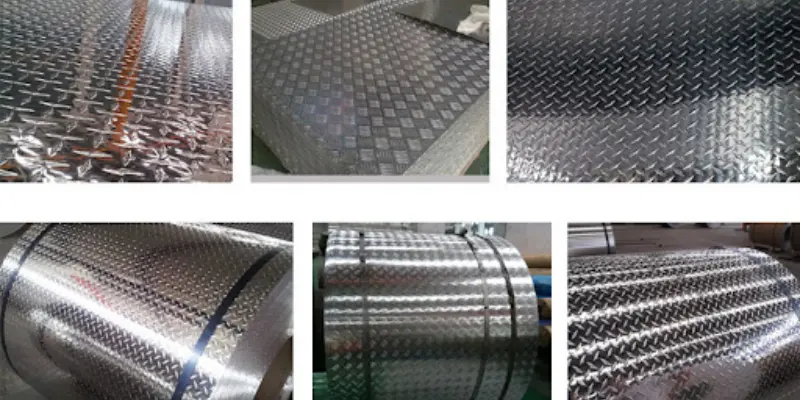
Key Benefits:
| Specification | Value |
|---|---|
| Material | Aluminum 3003, 5052, 6061 |
| Thickness | 2mm, 3mm, 4mm, 5mm, 6mm |
| Standard Sizes | 4×8 ft, 5×10 ft, 6×12 ft |
| Finish | Mill, Brushed, Polished |
| Weight | 5–18 kg/m² (depending on thickness) |

Knowing the maximum allowable load helps prevent accidents and structural failures. The following table provides recommended load capacities based on thickness and span:
| Thickness | Span (m) | Max Load (kg/m²) |
|---|---|---|
| 2mm | 1.0 | 150 |
| 3mm | 1.5 | 250 |
| 4mm | 2.0 | 400 |
| 5mm | 2.5 | 550 |
| 6mm | 3.0 | 700 |
Note: Actual load capacity may vary based on alloy type and installation method.
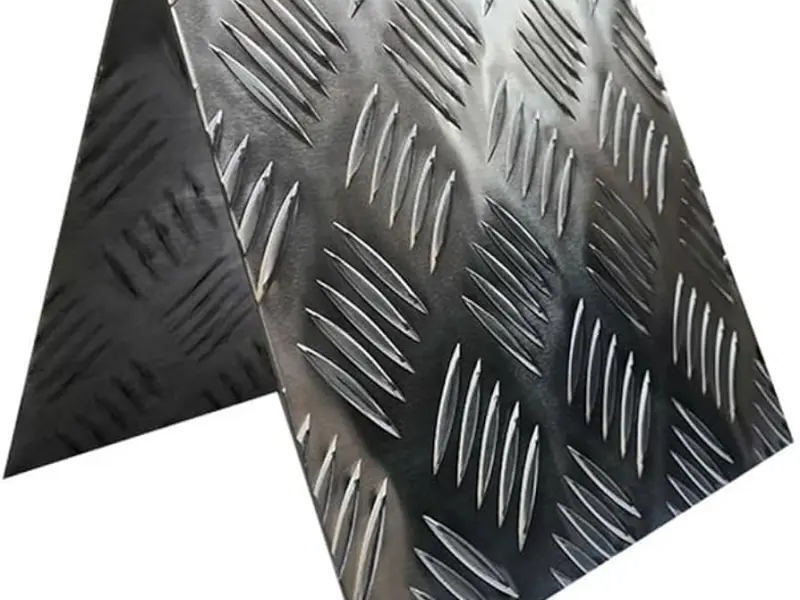
Aluminum checkered plates are versatile and can be applied in:
What is the strongest aluminum checker plate?
6061 alloy provides the highest mechanical strength, suitable for heavy-duty applications.
Can aluminum checkered plates be welded?
Yes, most aluminum alloys can be welded with proper techniques.
Are aluminum checker plates slip-resistant?
Yes, the raised pattern provides excellent grip even when wet.
Can I get custom sizes?
Yes, custom dimensions are available upon request.