Address
304 North Cardinal St.
Dorchester Center, MA 02124
Work Hours
Monday to Friday: 7AM - 7PM
Weekend: 10AM - 5PM
Address
304 North Cardinal St.
Dorchester Center, MA 02124
Work Hours
Monday to Friday: 7AM - 7PM
Weekend: 10AM - 5PM


Stucco embossed aluminum insulation, often referred to as aluminum jacketing, is the preferred choice for protecting thermal insulation on pipes and tanks. This specialized metal cladding provides a protective outer layer that guards against mechanical damage, UV radiation, and harsh weather conditions.
The unique “stucco” texture is created through a rolling process that leaves a uniform indented pattern. This finish not only adds strength but also reduces glare and hides small scratches or dents that occur during installation or maintenance.
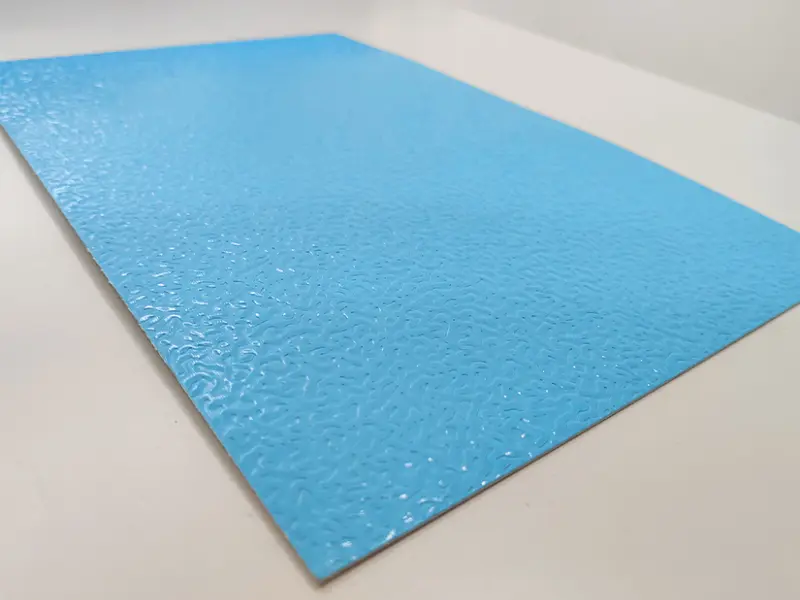
Choosing the right finish for your piping and tank systems is crucial for long-term efficiency. Here are the primary benefits of using stucco embossed aluminum jacketing:
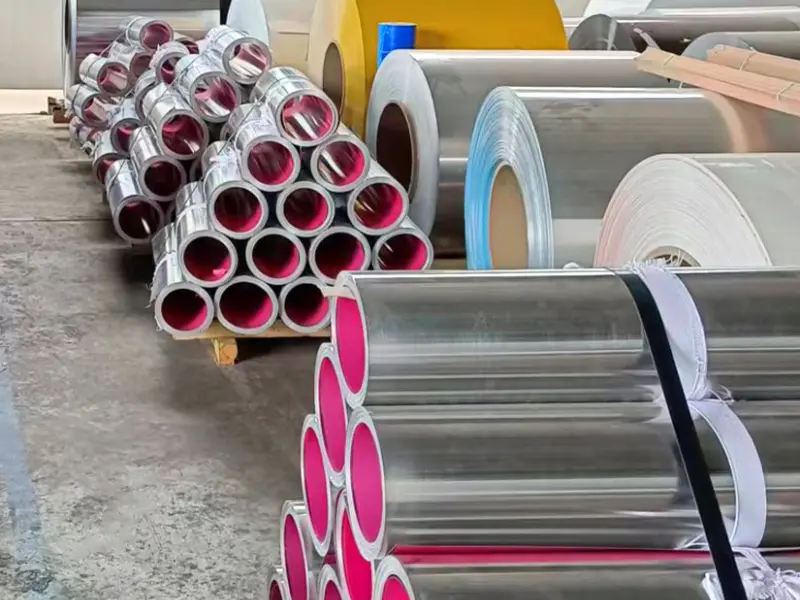
To meet various industrial requirements, stucco embossed aluminum insulation is available in different alloys and thicknesses. Below are the standard specifications commonly used in the industry.
| Feature | Specification Details |
|---|---|
| Alloy Types | 1060, 1100, 3003, 3105, 5005 |
| Temper | H14, H16, H24 |
| Thickness Range | 0.4 mm to 1.0 mm |
| Standard Widths | 914 mm, 1000 mm, 1220 mm |
| Finish | Stucco Embossed (Orange Peel Pattern) |
| Inner Lining | Polysurlyn Moisture Barrier (PSMB) or Polykraft Paper |
| Thickness (mm) | Thickness (inches) | Approx. Weight (kg/m2) |
|---|---|---|
| 0.4 | 0.016 | 1.08 |
| 0.5 | 0.020 | 1.35 |
| 0.6 | 0.024 | 1.62 |
| 0.8 | 0.032 | 2.16 |
| 1.0 | 0.040 | 2.70 |
One of the most critical components of stucco embossed aluminum insulation is the interior moisture barrier. Without this layer, moisture can become trapped between the aluminum jacket and the insulation, leading to galvanic corrosion.
Stucco embossed aluminum cladding is versatile and can be used across various sectors to protect insulated lines.
While both finishes serve the same protective purpose, there are distinct differences that might influence your choice.
| Feature | Stucco Embossed Finish | Smooth (Mill) Finish |
|---|---|---|
| Aesthetics | Professional, hides imperfections | Shiny, reflects light highly |
| Scratches | Very hidden | Easily visible |
| Rigidity | Higher (due to pattern) | Standard |
| Glare | Low (diffuses light) | High (can be blinding in sun) |
| Cleaning | Slightly harder to wipe | Very easy to wipe |
For the best results with stucco embossed aluminum insulation, follow these professional installation tips:
Stucco embossed aluminum insulation is designed for a long service life. In most industrial environments, it can last over 20 years with minimal maintenance.
Stucco embossed aluminum insulation for pipes and tanks provides the perfect balance of protection, aesthetics, and value. Its ability to hide wear and tear while providing a rigid barrier against the elements makes it an industry standard. Whether you are managing a chemical plant or a commercial HVAC system, investing in high-quality aluminum jacketing ensures your insulation remains effective and your energy costs stay low.
By selecting the correct alloy, thickness, and moisture barrier, you can customize your protection to match the specific demands of your environment. Contact a specialist today to determine the best specifications for your next project.