Address
304 North Cardinal St.
Dorchester Center, MA 02124
Work Hours
Monday to Friday: 7AM - 7PM
Weekend: 10AM - 5PM
Address
304 North Cardinal St.
Dorchester Center, MA 02124
Work Hours
Monday to Friday: 7AM - 7PM
Weekend: 10AM - 5PM


 Byadmin
When you need a durable metal surface for flooring, stairs, or protection, you usually have two choices. You can use Aluminum Tread Plate or Stainless Steel Plate. Both metals are famous for being “rust-proof,” but they are very different in how they behave.
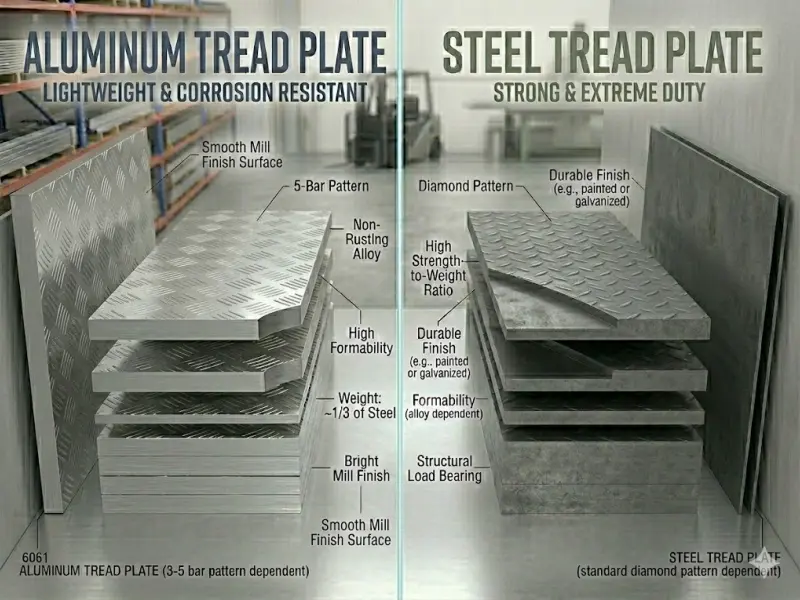
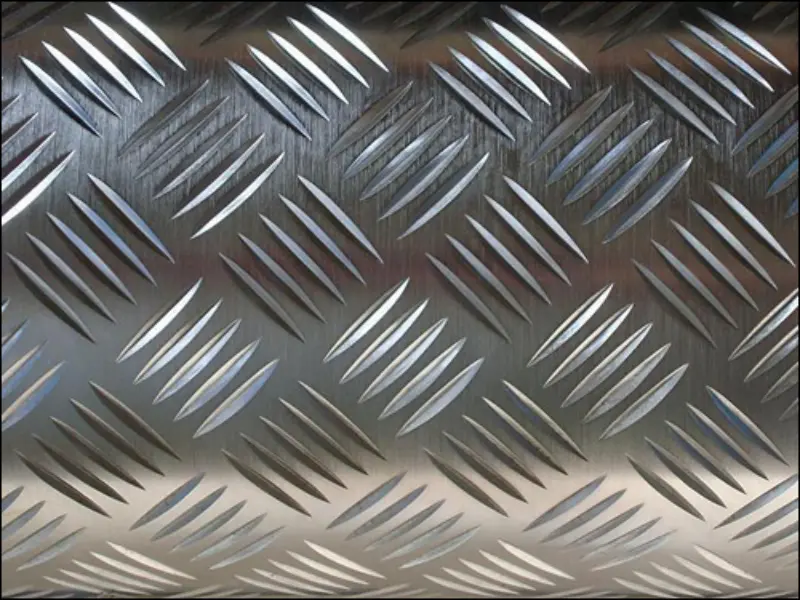
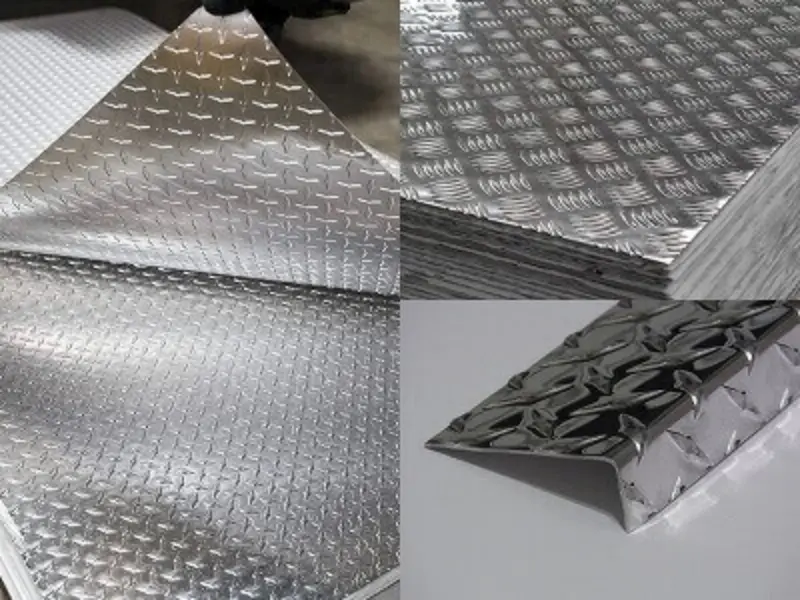
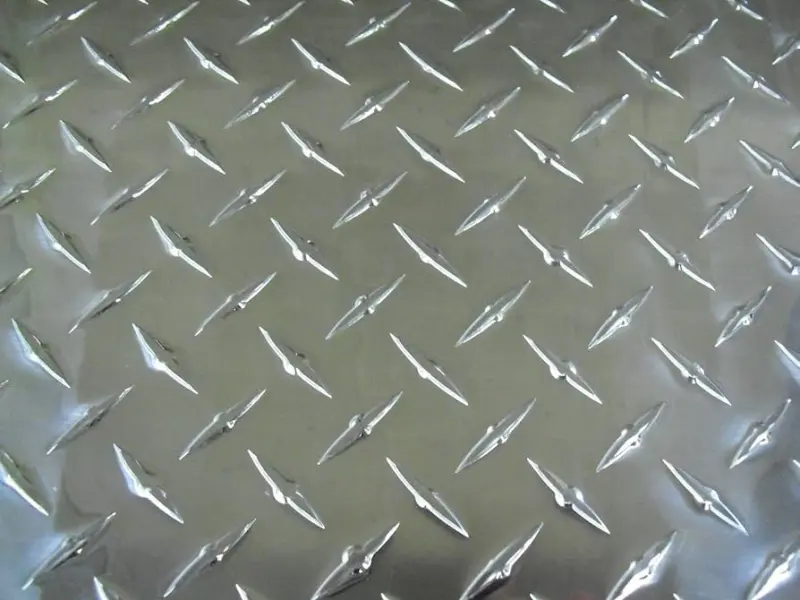
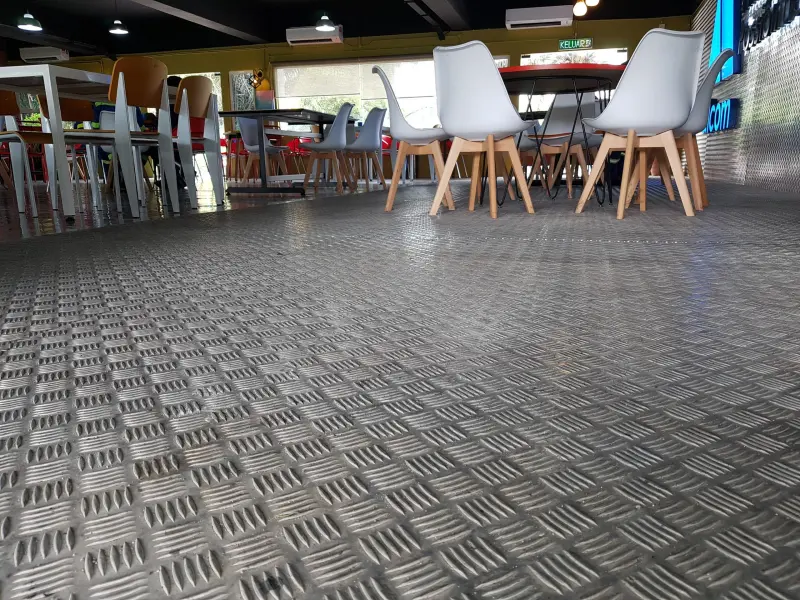
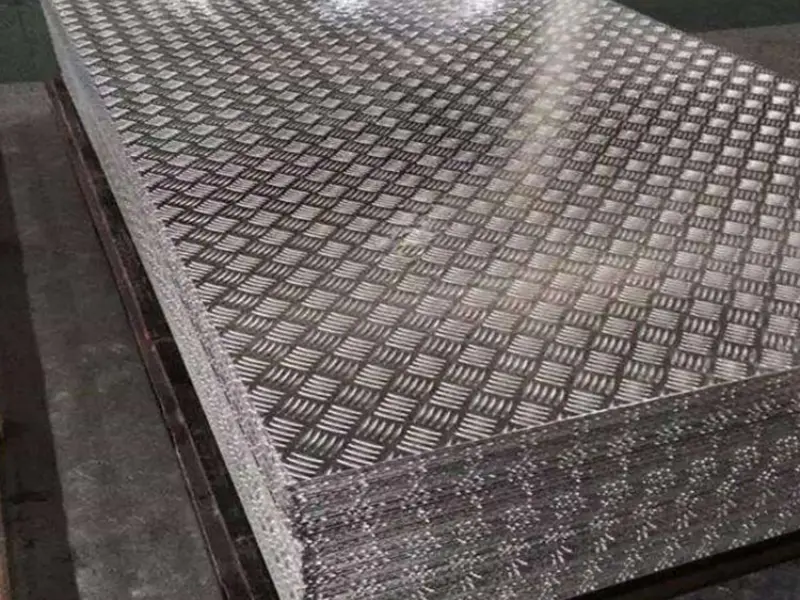
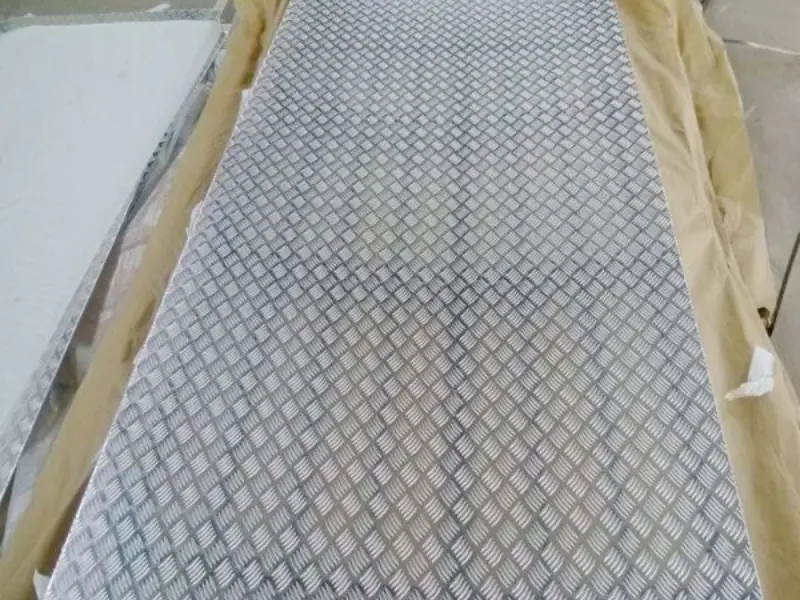
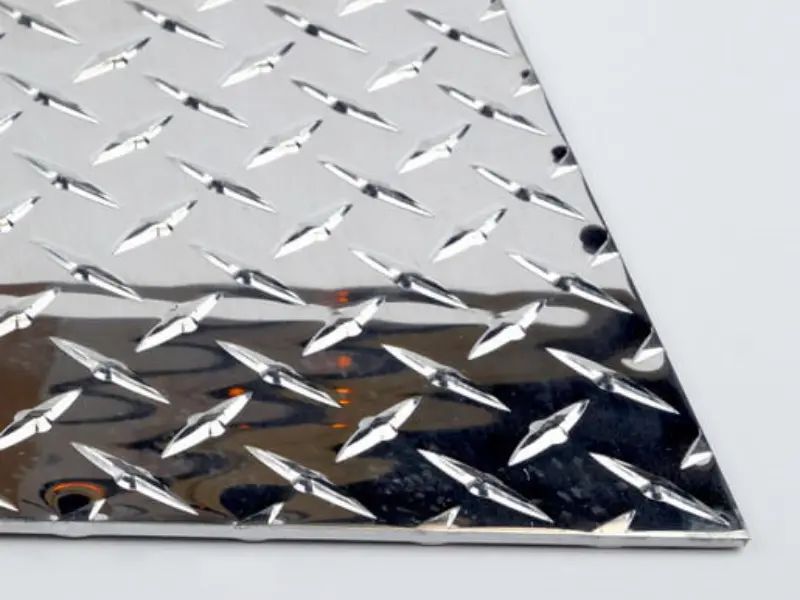
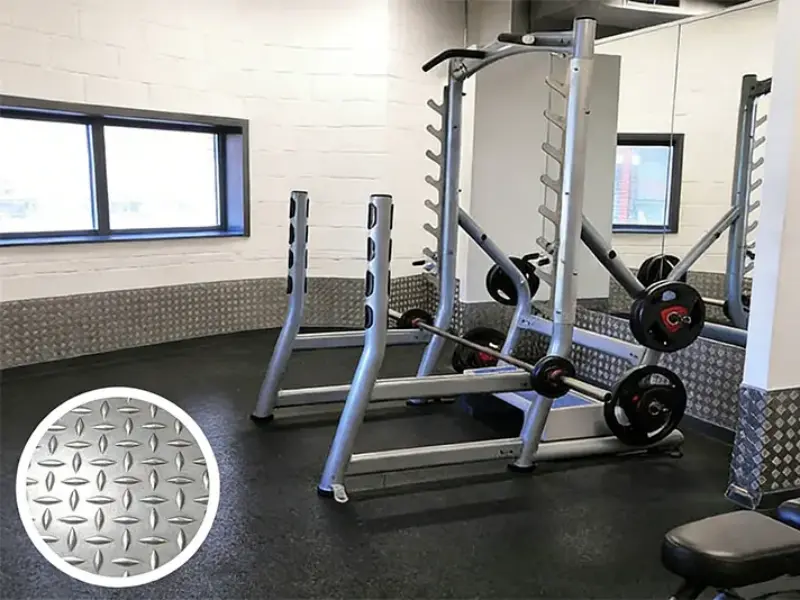
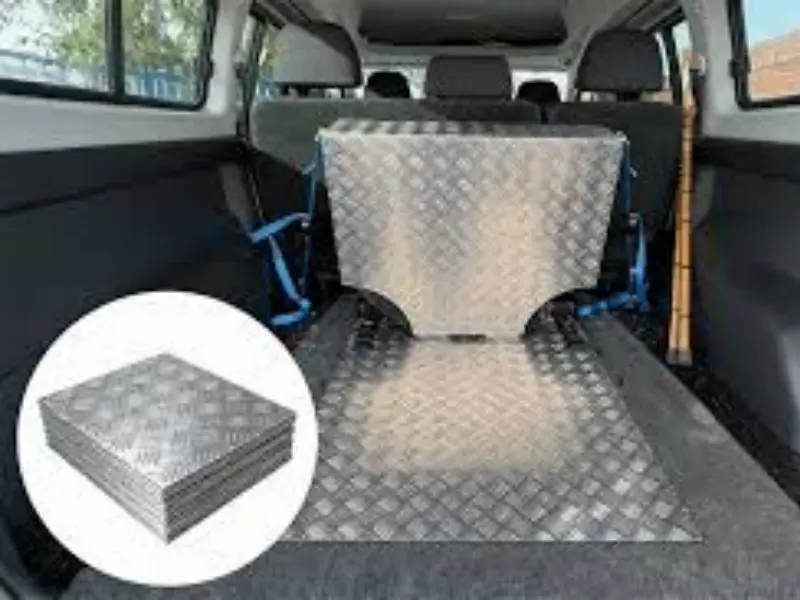
Aluminum tread plate (also known as checker plate or diamond plate) is a lightweight metal sheet. It has a raised pattern on one side. This pattern provides extra grip and prevents people from slipping. It is soft enough to be easily shaped but strong enough for most vehicle and building needs.
| Alloy Type | Common State (Temper) | Main Benefit |
|---|---|---|
| Alloy 3003 | H114 / H14 | Very popular, easy to bend, good for toolboxes. |
| Alloy 5052 | H114 / H32 | High strength, resists salt water, used in boats. |
| Alloy 6061 | T6 | Structural grade, very hard, used for heavy ramps. |
Stainless steel plate is a much heavier and harder material. It contains chromium and nickel, which prevent it from rusting. It can be smooth, brushed, or even have an embossed tread pattern.
| Grade Type | Finish Type | Main Benefit |
|---|---|---|
| 304 Grade | 2B / No. 4 / Tread | Standard food-grade, great for kitchens. |
| 316 Grade | Mill / Brushed | Marine-grade, resists acid and heavy salt. |
| 430 Grade | Bright / BA | More affordable, used for indoor decoration. |
To decide between Aluminum Tread Plate vs Stainless Steel Plate, we must compare their physical properties.
Aluminum is the winner for weight. It is roughly 1/3 the weight of stainless steel. This makes aluminum much better for trucks, boats, and trailers where saving weight saves fuel.
Both are excellent. However, Stainless Steel (316) is the king of corrosion resistance. Aluminum can “pitting” or turn white when exposed to certain chemicals. Stainless steel stays shiny even when touching harsh acids.
Stainless steel is much stronger than aluminum. If you are building a floor for heavy machinery or tanks, stainless steel will not dent or scratch easily. Aluminum is softer and can be dented by heavy impacts.
Aluminum is usually cheaper to buy and much cheaper to ship. Stainless steel is more expensive because of the nickel and chromium content. However, stainless steel lasts longer in extreme conditions.
| Property | Standard Value |
|---|---|
| Thickness | 1.0mm to 10.0mm |
| Common Widths | 1000mm, 1250mm, 1500mm |
| Pattern Types | Five-bar, One-bar (Diamond), Compass |
| Surface | Mill finish or Bright polished |
| Property | Standard Value |
|---|---|
| Thickness | 0.5mm to 50.0mm |
| Common Widths | 1000mm, 1219mm, 1500mm |
| Surface Finish | 2B, BA, Mirror, Brushed |
| Hardness (Brinell) | 170 to 200 (Much higher than aluminum) |
How easy is it to work with these metals?
Does aluminum tread plate rust?
Aluminum does not rust like iron, but it can corrode. It forms a white powder (aluminum oxide) that actually protects the metal underneath.
Is stainless steel non-slip?
Only if it is embossed or etched. A smooth stainless steel plate is very slippery when wet. If you need safety, ask for Stainless Steel Checker Plate.
Which one is better for a DIY trailer floor?
Aluminum tread plate is usually better. It is lighter and you can cut it with simple tools. It won’t make the trailer too heavy to pull.
In the battle of Aluminum Tread Plate vs Stainless Steel Plate, there is no single winner.
Both materials are 100% recyclable and offer great long-term value. Contact your supplier today to see samples of both before making your final decision!