Address
304 North Cardinal St.
Dorchester Center, MA 02124
Work Hours
Monday to Friday: 7AM - 7PM
Weekend: 10AM - 5PM
Address
304 North Cardinal St.
Dorchester Center, MA 02124
Work Hours
Monday to Friday: 7AM - 7PM
Weekend: 10AM - 5PM


 Byadmin
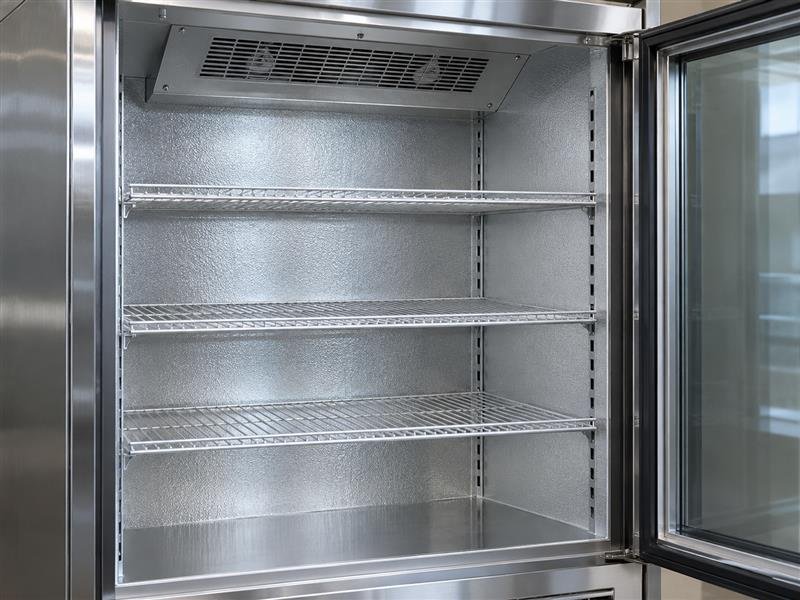
Embossed aluminum for the refrigeration industry is commonly considered for cabinet liners, freezer interiors and selected panel components. Its textured face gives equipment a consistent metallic appearance, while sheet and coil formats can be cut and formed into production parts.
The material decision begins with the component drawing and the service conditions. A refrigeration liner must work with the insulation, joints, cleaning routine and assembly process of the complete cabinet.
On this page — Applications · Liner construction · Specification table · Forming and assembly · Cleaning trials · Qualification · RFQ checklist
Commercial refrigeration can include a wide variety of metal components, from visible inner walls to trim pieces and formed trays. Identify the exact part before selecting a material. A wall liner that supports an insulated cabinet has a different design task from a shelf, a loaded floor or a heat-transfer component. Put the part name, drawing revision and production route on the inquiry so the supplier understands the scope.
Embossed aluminum appears in commercial freezer construction. An Avantco chest freezer specification sheet identifies embossed aluminum sheet as its interior material. That example demonstrates one application. Each new product needs its own selection of alloy, gauge, finish and joining details based on the cabinet design and operating conditions.
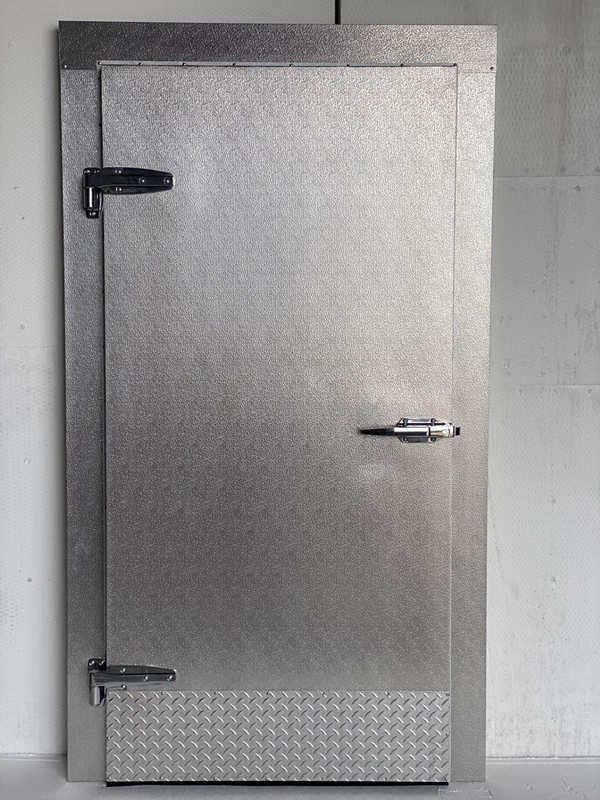
The visible inner metal is one layer of a refrigerated assembly. Its relationship with the insulation, outer skin, door opening and base needs to be established on the drawing. Identify where the liner is supported and where it spans between supports. Show the contact surfaces used for bonding or foaming, along with the regions that must remain clean for subsequent assembly.
Review transitions around corners, drains, penetrations and removable components. A neat-looking flat panel does not show how the finished liner will manage these details. A representative corner or tray sample helps the engineering and production teams check fit before committing to a larger order. Specify the visible face and, where relevant, the orientation of the texture so the parts look consistent after assembly.
| Requirement | Information to define | Why production needs it |
|---|---|---|
| Alloy and temper | Approved designation or a clearly identified trial option | Bending and handling need a repeatable material |
| Base metal thickness | Nominal gauge, tolerance and measurement method | Part fit and material consumption depend on gauge |
| Surface and finish | Embossing sample, visible side and any coating | The customer sees the assembled finish |
| Reverse side | Bonding or foaming interface and cleanliness requirements | Assembly performance depends on the actual contact surface |
| Supply format | Sheet dimensions or coil width, inside diameter and coil weight limits | The material must fit the cutting and feeding equipment |
Approve both faces of the sheet. The visible texture and the reverse-side bonding condition should be reviewed on the same production-representative sample.
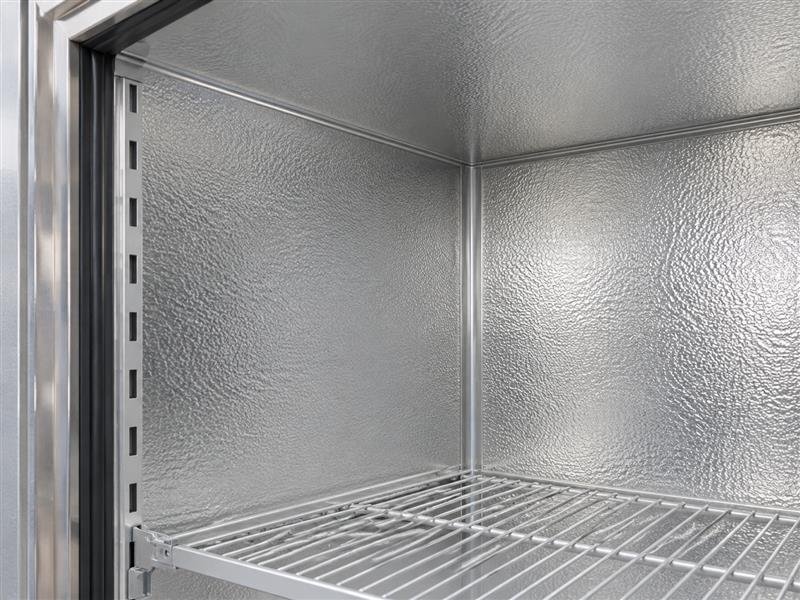
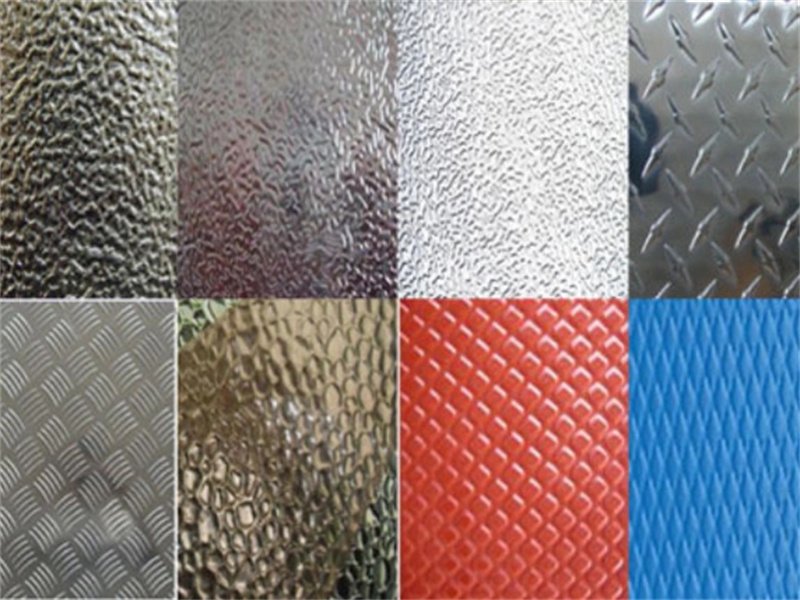
Stucco embossing introduces a fine irregular surface. Under cabinet lighting it creates small scattered highlights that affect how the interior looks. Obtain a physical sample and view it under the lighting planned for the equipment. If the product uses several liner panels, compare the pieces together. Record the approved pattern reference and agree on how later production batches will be checked against it.
Define the cosmetic acceptance criteria at the part level. Include locations where forming marks may appear, the viewing distance and any areas hidden by trims. Texture can make some minor marks less visually prominent, but dents, damaged coatings and sharp edges still need their own inspection criteria. Keep the criteria clear enough for both the fabricator and the receiving inspector to use.
Run a trial using the planned gauge, alloy, temper and surface finish. Cut blanks on the intended equipment and form the critical corners. Check springback, edge quality, hole location and the fit of mating parts. Observe whether the feeding and handling steps leave visible marks. When protective film is used, agree on which operations it will pass through and when it will be removed.
Where a liner is bonded or supported by foamed insulation, test the specified assembly process with the actual reverse-side condition. Record the surface preparation, processing conditions and cure requirements supplied by the relevant materials manufacturer. Inspect the completed sample at corners and around penetrations. A change to backing, coating, adhesive or surface preparation should be reviewed for its effect on the assembly.
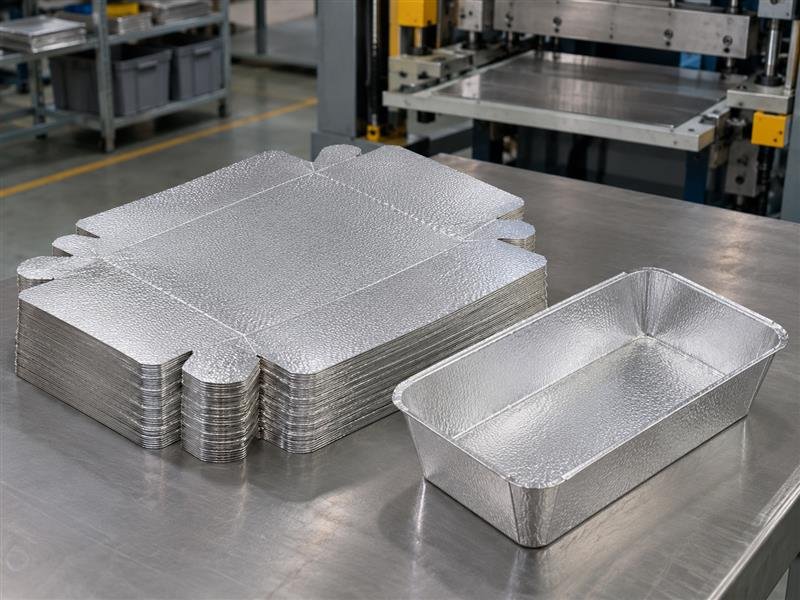
Select the cleaning routine for the finished equipment and confirm compatibility with its actual liner finish. Trial the proposed cleaner, concentration, contact time and tools on a representative sample. Observe the surface after repeated cleaning, rinsing and drying. Include seams and formed corners in the trial because residues and water can collect in those areas. Ask the finish supplier to document the cleaning instructions intended for the end user.
Describe the expected temperature range, defrost cycle and moisture exposure to the equipment designer. Consider the effect of condensation at joints, trim interfaces and fasteners. The material and finish specification should account for the substances likely to contact the interior. For food-related service, obtain the documentation required for the intended contact conditions and destination market as part of the product qualification file.
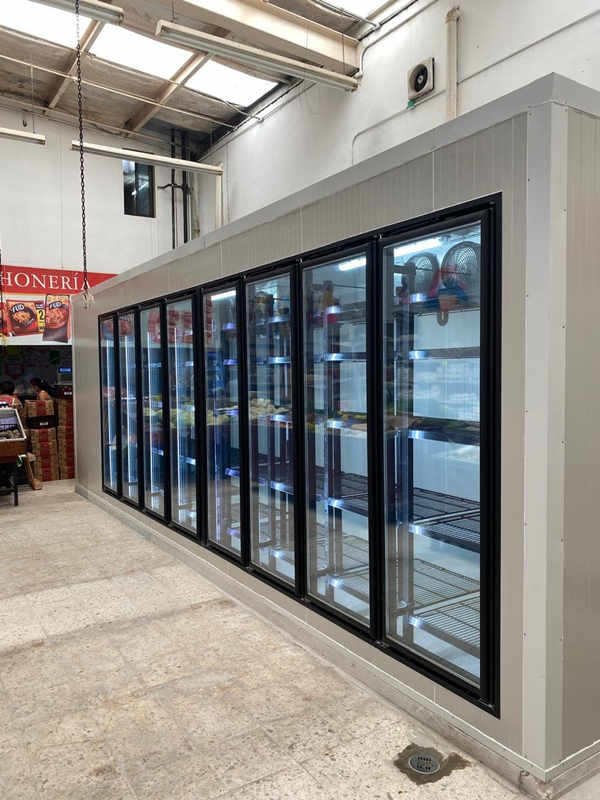
The engineering team should define acceptance tests for the completed cabinet or representative assembly. Depending on the design, the review may include dimensional fit, adhesion, cleaning durability and performance through the planned operating cycles. Measure the outcomes that matter to the equipment. Record the sample construction and test conditions so a production change can be compared with the same baseline.
Incoming checks should identify the material, dimensions, surface and lot traceability agreed on the purchase order. Inspect sheets or coils from several points in the shipment. Separate transport damage from a recurring surface or gauge issue by recording photographs, coil or pallet identifiers and the location of the sample. Retain an approved piece for future comparisons and keep the inspection records linked to the production batch.
Create a short review sheet for the first production-representative liner. Record the material designation, gauge, finish, pattern reference and supplier lot. Add the cutting and bending settings, then identify the dimensions that control cabinet fit. Include photographs of the visible face, reverse side and critical corners. When several people inspect the sample, use the same reference points and measuring method so their results can be compared. Keep the approved part with the drawing revision used to make it.
A practical trial can follow the liner from incoming material through assembly. Inspect a blank before forming, inspect it again after bending and compare the finished assembly after its planned process steps. This sequence helps identify where a dimensional or cosmetic change first appears. If marks arise at a handling station, the operator can review the contact pads or stacking method. If fit changes at a fold, compare the tooling and material condition with the trial record. Document the adjustment and repeat the relevant checks before approval.
Agree on the change-control information required for repeat supply. A change to the embossing pattern, alloy, temper, coating, backing or protective film may affect the customer-facing part or the assembly route. Ask the supplier to identify proposed changes before shipment and keep the approval with the order. Retain traceability between incoming coils or pallets and the liner production batch, so any later investigation can begin with a defined group of parts.
Send — Component drawing, application, alloy and temper, base gauge and tolerance, pattern sample, front finish, reverse-side requirements, supply format and quantity.
Confirm — Sheet size or coil dimensions, forming sample, protective film, packing, traceability documents and delivery point.
Approve — Production-representative samples, cosmetic criteria and the defined assembly qualification before the repeat order.
For liner material discussions, review Worthwill’s embossed aluminum coil and stucco aluminum sheet pages. Send the component drawing, required finish and estimated quantity through the contact page so the quotation can be matched to the production requirements.