Address
304 North Cardinal St.
Dorchester Center, MA 02124
Work Hours
Monday to Friday: 7AM - 7PM
Weekend: 10AM - 5PM
Address
304 North Cardinal St.
Dorchester Center, MA 02124
Work Hours
Monday to Friday: 7AM - 7PM
Weekend: 10AM - 5PM


 Byadmin
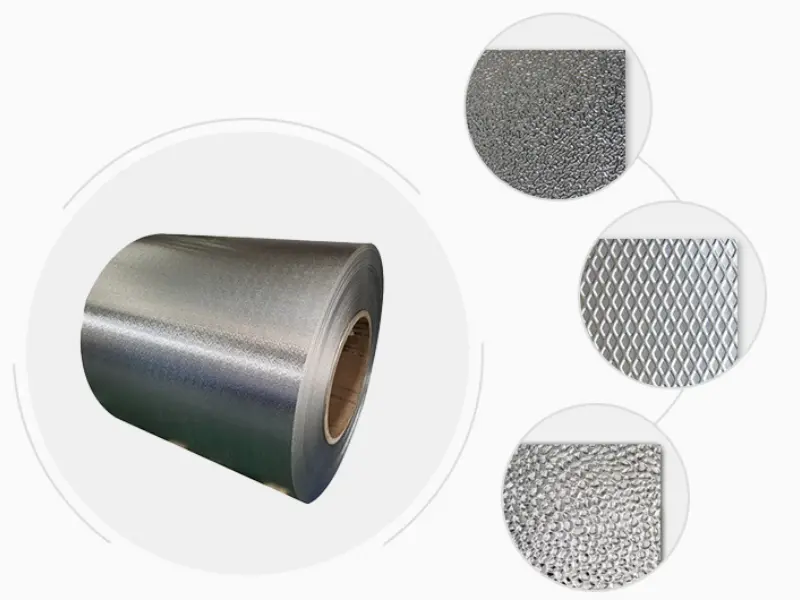
In the modern building industry, architects and contractors are constantly looking for materials that combine strength, beauty, and longevity. One material that stands out is embossed aluminum. The applications of embossed aluminum in construction have expanded significantly over the last decade due to its unique physical properties and cost-effectiveness.
From massive industrial warehouses to sleek modern skyscrapers, embossed aluminum provides a textured finish that hides imperfections, reduces glare, and increases structural rigidity.
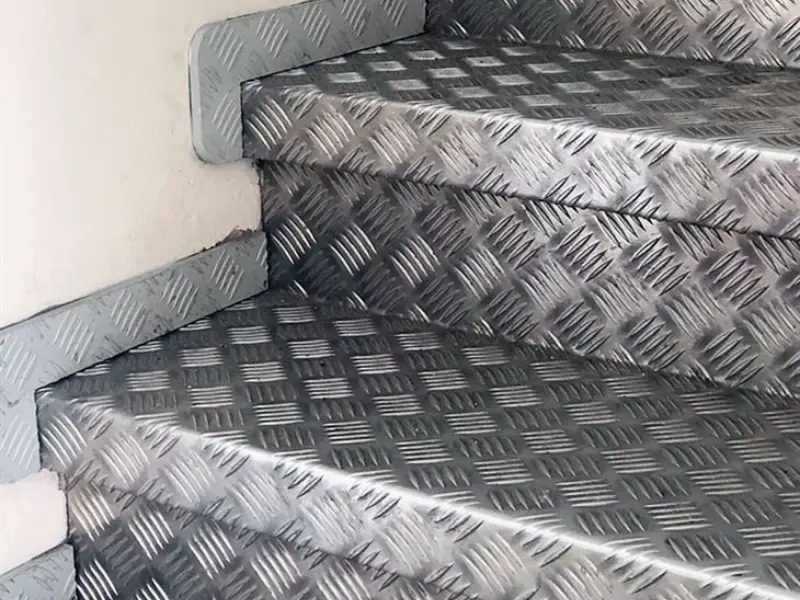
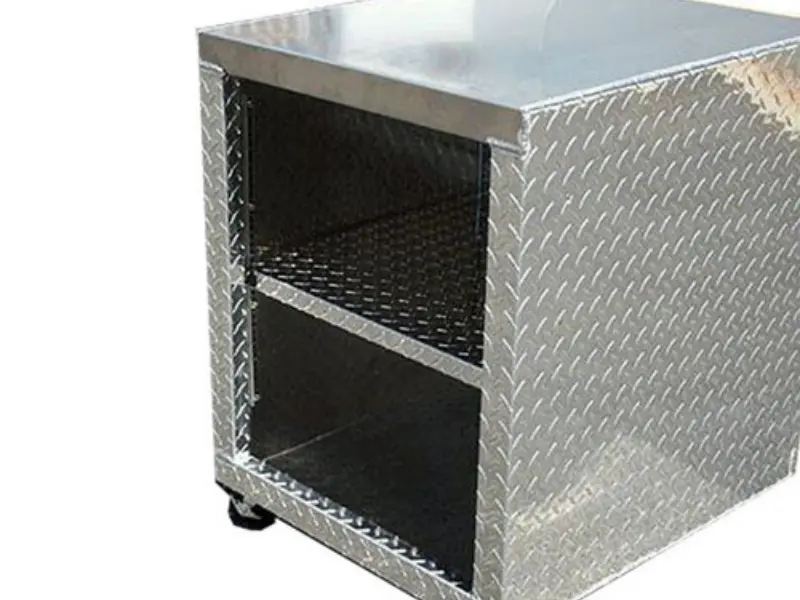
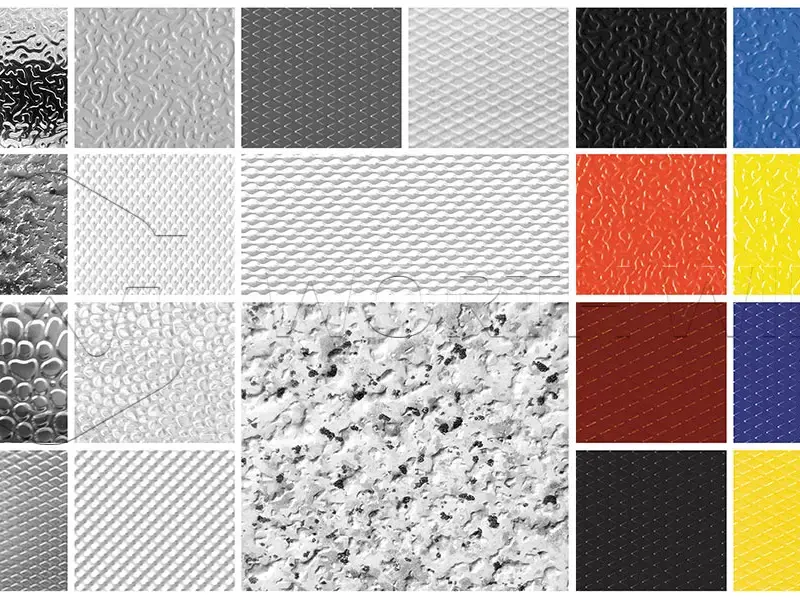
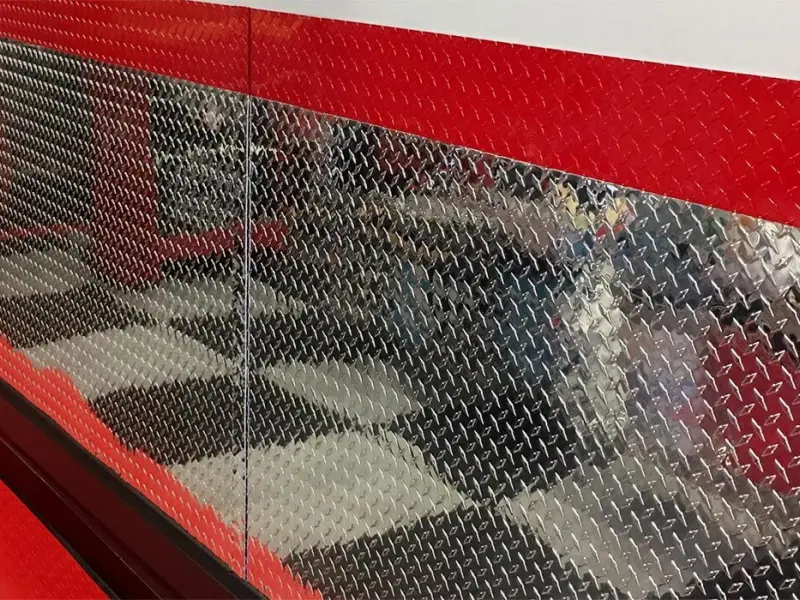
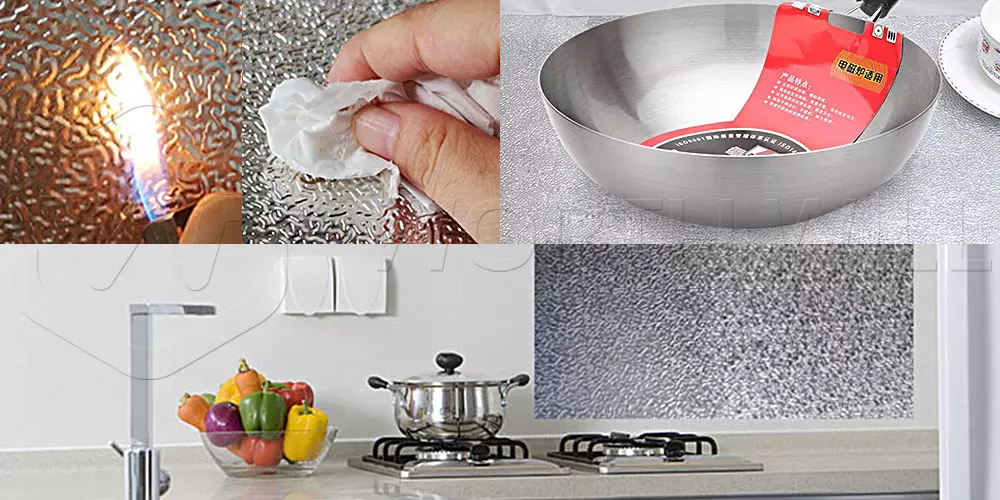
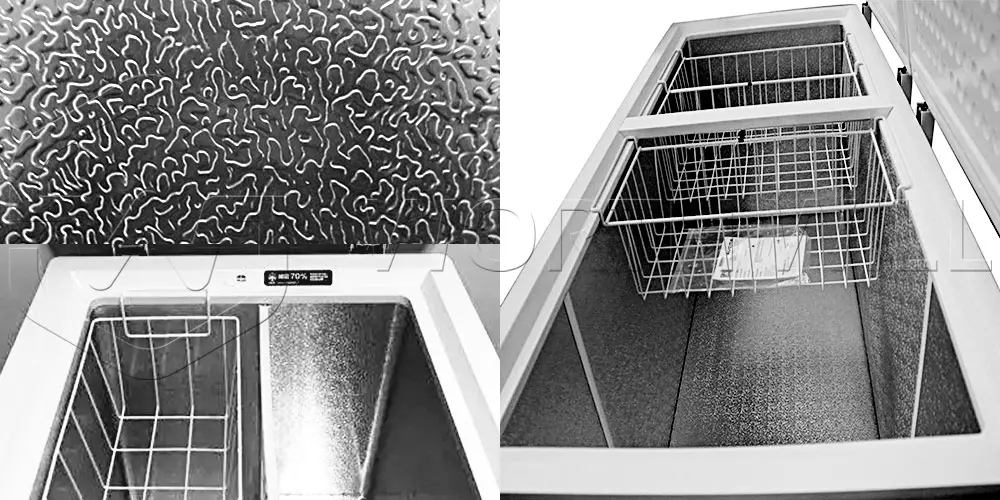
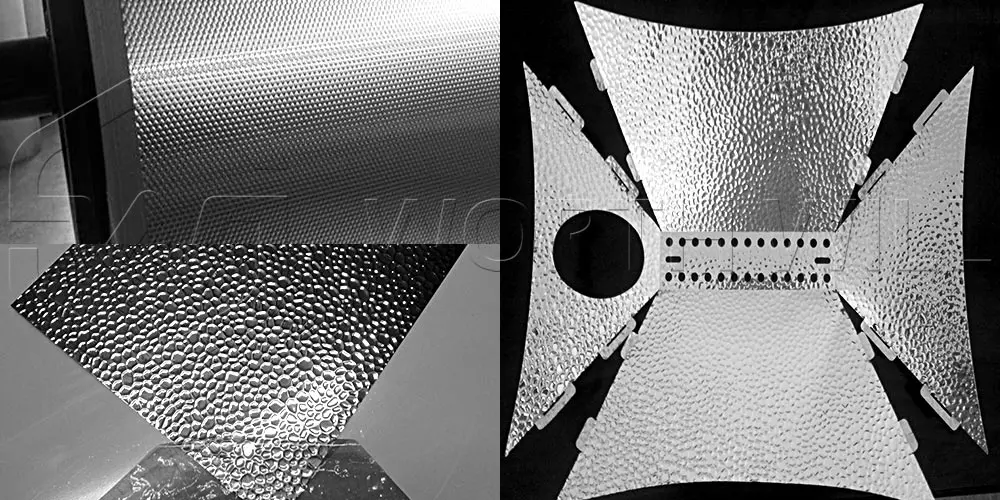
Embossed aluminum is not just a decorative choice; it is a functional upgrade over plain aluminum sheets. The process of embossing creates a raised pattern on the surface which offers several mechanical advantages.
When considering the applications of embossed aluminum in construction, it is vital to understand the “digital” side of the material—the specific grades and measurements used in the industry.
| Feature | Typical Specification |
|---|---|
| Common Alloys | 1060, 1100, 3003, 3105, 5052, 5754 |
| Temper | H14, H24, H16, H26, H18 |
| Thickness Range | 0.3 mm to 4.0 mm |
| Standard Widths | 1000 mm, 1220 mm, 1250 mm, 1500 mm |
| Standard Lengths | 2000 mm, 2440 mm, 3000 mm, or Coils |
| Pattern Depth | 0.05 mm to 0.35 mm |
| Surface Treatment | PVDF Coated, PE Coated, Anodized, or Mill Finish |
Different patterns serve different purposes. Choosing the right pattern is a critical part of the applications of embossed aluminum in construction.
| Pattern Type | Technical Name | Best Construction Application |
|---|---|---|
| Stucco Pattern | Orange Peel | HVAC ducts, wall cladding, and cold storage lining |
| Diamond Pattern | Tread Plate | Industrial flooring, stairs, and loading ramps |
| Five-Bar Pattern | Quintet Pattern | Heavy-duty vehicle floors and workshop platforms |
| Spherical Pattern | Dimpled Sheet | Heat shields and acoustic ceiling panels |
| Compass Pattern | Symmetrical Ribs | Decorative architectural facades and gates |
One of the most visible applications of embossed aluminum in construction is on the exterior of buildings. Aluminum is naturally resistant to corrosion, and the embossed texture adds a layer of sophistication.
| Environmental Factor | Performance Level | Benefit to Construction |
|---|---|---|
| UV Resistance | High (with PVDF) | Colors won’t fade for 20+ years |
| Corrosion Resistance | Excellent | Suitable for coastal/marine projects |
| Heat Reflection | 80%−90% | Reduces cooling costs in summer |
| Wind Load Capacity | Increased | Texture adds strength against high winds |
Inside a building, the applications of embossed aluminum in construction focus on hygiene, durability, and aesthetics.
Safety is a top priority in any construction project. The anti-slip applications of embossed aluminum in construction are found in almost every industrial facility.
| Pattern | Slip Resistance Rating | Common Use Case |
|---|---|---|
| Diamond Plate | R10 to R11 | Fire escapes and utility trailers |
| Five-Bar Plate | R12 | Oil platform walkways and factory floors |
| Small Bean Pattern | R9 | Interior stairs in commercial buildings |
In construction, weight (W) matters for structural load calculations. Embossed aluminum allows for thinner sheets to be used while maintaining the same rigidity as thicker plain sheets.
The theoretical weight (M) is calculated as:
M=Area×Thickness×2.71 g/cm3
| Thickness (mm) | Dimensions (mm) | Weight (Plain kg) | Weight (Embossed kg) |
|---|---|---|---|
| 0.5 | 1220×2440 | 4.03 | 4.03 |
| 0.8 | 1220×2440 | 6.45 | 6.45 |
| 1.2 | 1220×2440 | 9.68 | 9.68 |
| 2.0 | 1220×2440 | 16.13 | 16.13 |
Note: While the weight is the same, the “Effective Rigidity” of a 0.8 mm embossed sheet can be equivalent to a 1.0 mm plain sheet.
As global construction shifts toward “Green Buildings,” the applications of embossed aluminum in construction help developers earn LEED points.
To maximize the benefits of the applications of embossed aluminum in construction, proper installation is required.
How does embossed aluminum compare to other common construction materials?
| Feature | Embossed Aluminum | Stainless Steel | Galvanized Steel |
|---|---|---|---|
| Weight | Very Light | Heavy | Heavy |
| Corrosion Resistance | High | Very High | Medium |
| Ease of Cutting | Easy | Difficult | Medium |
| Cost | Medium | High | Low |
| Aesthetics | Excellent (Textured) | Shiny/Industrial | Dull/Zinc finish |
No. Embossing is a mechanical process. The chemical composition of the alloy (e.g., 3003 or 5052) remains the same, though the work-hardening makes the sheet slightly stiffer.
Yes. Many applications of embossed aluminum in construction involve color-coated sheets. It is best to buy “Pre-painted” coils from the factory to ensure the paint reaches the “valleys” of the pattern evenly.
While aluminum itself is a conductor, the stucco pattern creates a small air boundary layer that helps slightly with thermal dispersion. It is most effective when used as a jacket over insulation materials like mineral wool.
The applications of embossed aluminum in construction are only limited by an architect’s imagination. Whether it is used to create a non-slip floor in a busy factory, a heat-reflecting roof for a tropical villa, or a stylish wall in a modern office, this material delivers.
By choosing embossed aluminum, you are investing in a material that is:
If you are planning a new construction project, consider the versatility of embossed aluminum. It is a smart, modern solution for the challenges of today’s building environment.