Address
304 North Cardinal St.
Dorchester Center, MA 02124
Work Hours
Monday to Friday: 7AM - 7PM
Weekend: 10AM - 5PM
Address
304 North Cardinal St.
Dorchester Center, MA 02124
Work Hours
Monday to Friday: 7AM - 7PM
Weekend: 10AM - 5PM


 Byadmin
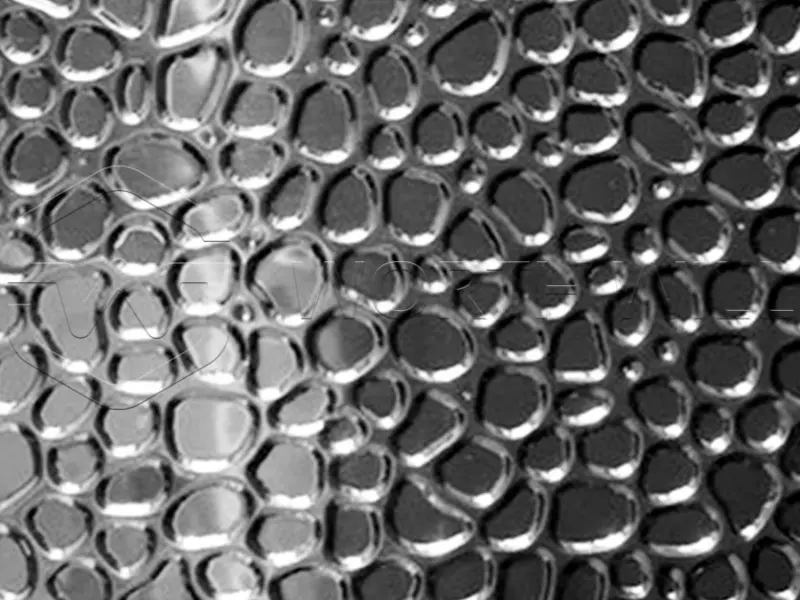
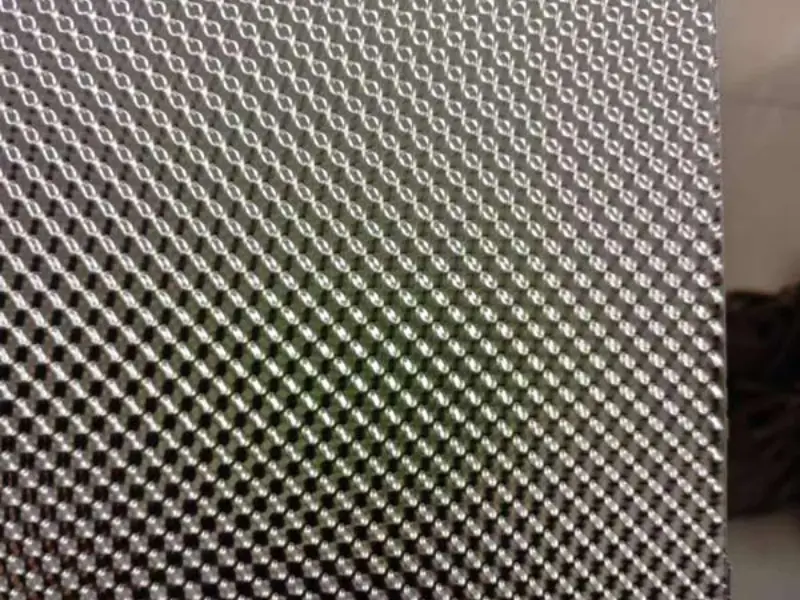
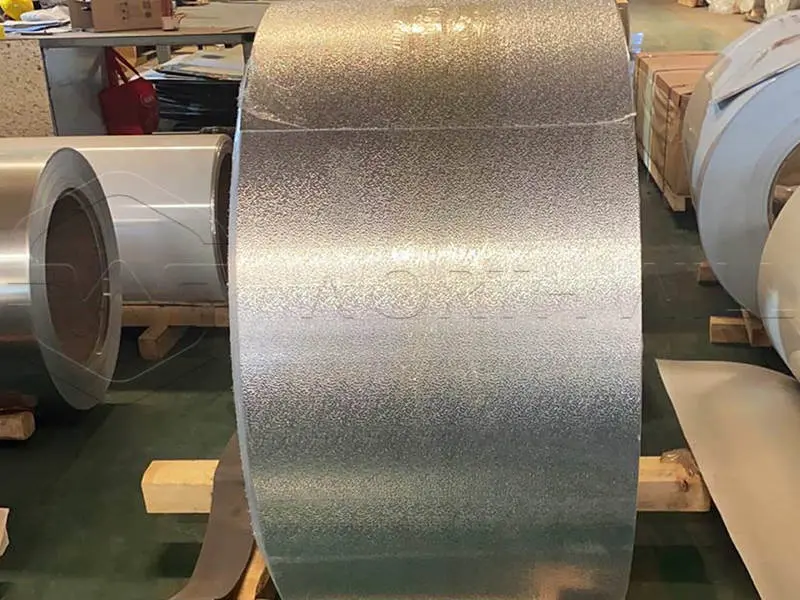
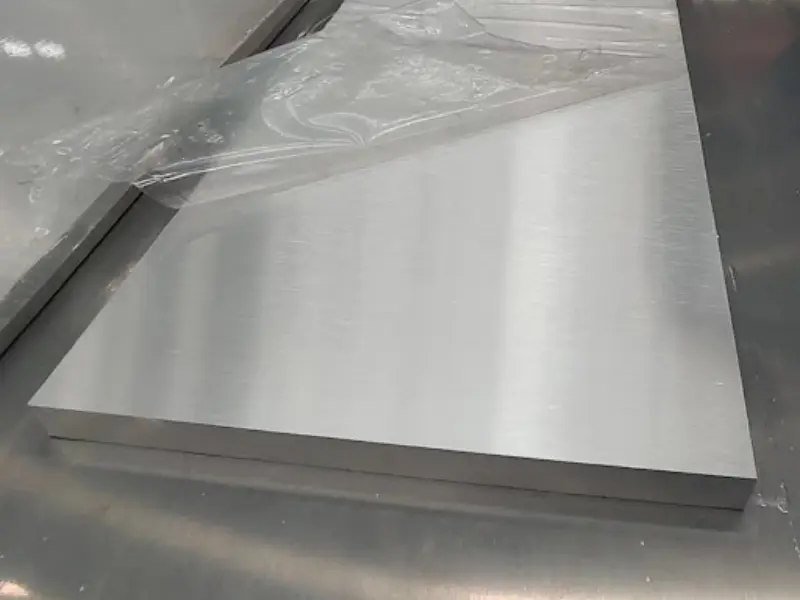
Aluminum comes in two main surface types. Smooth aluminum has a flat, even finish. Embossed aluminum has raised patterns pressed into the metal. These patterns create texture. They change how the material looks and performs.
Manufacturers use rollers to create embossed patterns. The metal passes between shaped rollers. Pressure forms the design permanently. Smooth aluminum skips this step. It keeps the natural flat surface from rolling mills.
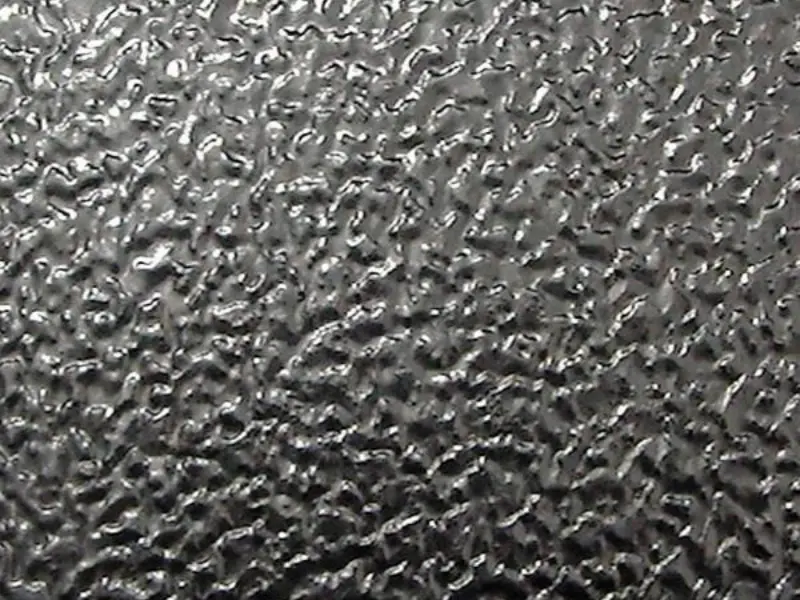
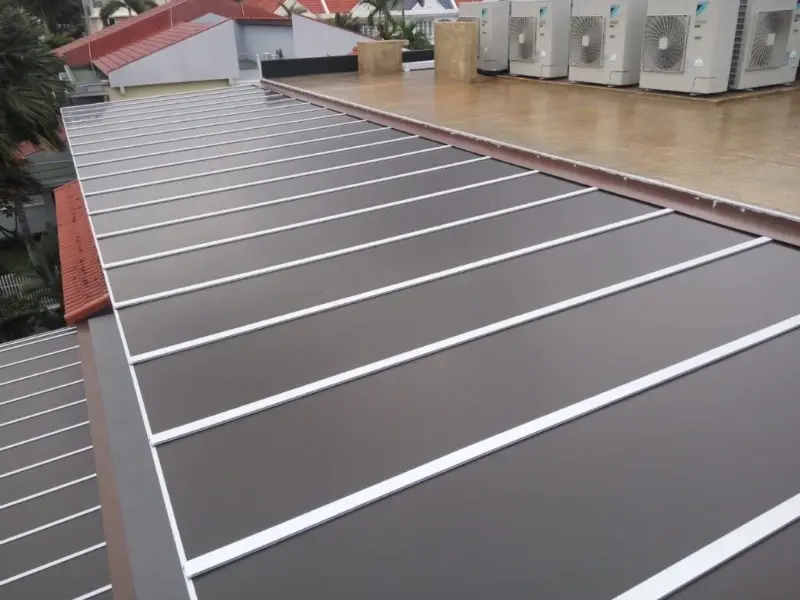
The look differs significantly between these two types.
| Feature | Embossed Aluminum | Smooth Aluminum |
|---|---|---|
| Surface | Textured, patterned | Flat, reflective |
| Light reflection | Diffused, scattered | Mirror-like, directional |
| Scratch hiding | Excellent | Poor |
| Dirt visibility | Lower | Higher |
| Premium feel | Rustic, industrial | Modern, sleek |
| Fingerprint showing | Minimal | Obvious |
Embossed surfaces hide imperfections. A small scratch disappears in the pattern. Smooth surfaces show every mark. This matters for high-touch applications.
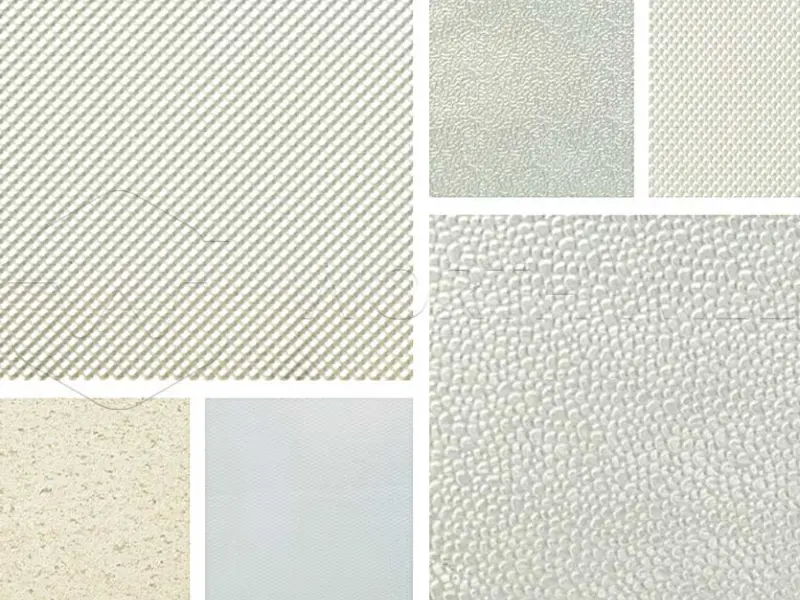
Different patterns serve different purposes.
| Pattern Name | Description | Best Uses |
|---|---|---|
| Stucco | Orange peel texture, irregular bumps | Roofing, insulation, general purpose |
| Diamond | Crisscross lines creating diamond shapes | Tread plates, flooring, anti-slip |
| 5-bar | Five parallel raised lines | Industrial flooring, ramps |
| 3-bar | Three raised lines | Walkways, stair treads |
| 2-bar | Two raised lines | Light duty flooring |
| 1-bar | Single raised line | Decorative trim |
| Hammer tone | Irregular hammer marks | Decorative panels, appliances |
| Pebble | Small rounded bumps | Food processing, clean rooms |
| Ribbed | Longitudinal lines | Siding, roofing |
| Checkerboard | Square raised pattern | Tool boxes, garage doors |
Each pattern changes grip levels. They also affect how light plays across the surface. Choose based on function and aesthetics.
Both embossed and smooth aluminum use similar alloys. The alloy affects strength and formability.
| Alloy Series | Main Elements | Embossed Use | Smooth Use |
|---|---|---|---|
| 1000 Series | Pure aluminum (99%+) | Decorative panels, flashing | Reflectors, signage |
| 3003 | Manganese | Roofing, insulation, cooking | General sheet work |
| 5052 | Magnesium | Marine flooring, chemical tanks | Marine sheet, anodizing |
| 6061 | Magnesium/Silicon | Structural tread plate | Structural components |
| 3004 | Manganese/Magnesium | Shingle roofing, deep drawing | Beverage cans, lamp bases |
| Temper | Hardness | Embossed Application | Smooth Application |
|---|---|---|---|
| O (annealed) | Very soft | Deep embossed patterns | Deep drawing, forming |
| H14 | Half hard | Standard embossing | General fabrication |
| H24 | Half hard, stabilized | Better pattern definition | Better flatness control |
| H18 | Full hard | Sharp pattern edges | Rigid flat panels |
The temper affects how deeply patterns emboss. Softer tempers allow deeper textures. Harder tempers hold sharper pattern details.
Both types come in various thicknesses. Thicker metal holds deeper patterns.
| Thickness (mm) | Thickness (inch) | Embossed Use | Smooth Use |
|---|---|---|---|
| 0.3-0.5 | 0.012-0.020 | Light decorative, insulation | Foil, thin flashing |
| 0.6-1.0 | 0.024-0.040 | Roofing, wall panels | General sheet metal |
| 1.2-2.0 | 0.047-0.079 | Flooring, heavy duty | Structural panels |
| 2.5-4.0 | 0.098-0.157 | Industrial tread plate | Thick plate, machining |
| 5.0+ | 0.197+ | Heavy equipment | Structural components |
Embossing thins the metal slightly at the high points. Engineers account for this in design. Smooth aluminum maintains consistent thickness throughout.
Surface type changes how aluminum performs in use.
| Property | Embossed Aluminum | Smooth Aluminum |
|---|---|---|
| Stiffness | Higher (pattern adds rigidity) | Lower for same thickness |
| Tensile strength | Same base material | Same base material |
| Dent resistance | Better | Poorer |
| Structural integrity | Pattern adds strength | Depends on thickness alone |
The embossed pattern acts like corrugation. It stiffens the sheet without adding weight. Smooth aluminum needs more thickness for equal rigidity.
| Property | Embossed | Smooth |
|---|---|---|
| Friction coefficient | Higher (better grip) | Lower (more slippery) |
| Contact area | Reduced | Full surface |
| Heat radiation | Better (more surface area) | Standard |
| Acoustic damping | Better | Poorer |
| Air flow disruption | Yes | No |
Different jobs need different surfaces.
Surface treatment affects pricing.
| Factor | Embossed Aluminum | Smooth Aluminum |
|---|---|---|
| Base material cost | Same | Same |
| Processing cost | Higher (extra rolling step) | Lower |
| Typical price premium | 10-30% over smooth | Baseline |
| Waste in production | Slightly higher | Standard |
| Tooling for custom patterns | Expensive | Not applicable |
The embossing process adds cost. Specialized rollers require investment. Pattern changes need new tooling. Smooth aluminum avoids these expenses.
Different surfaces need different care.
| Maintenance Task | Embossed | Smooth |
|---|---|---|
| Cleaning difficulty | Harder (dirt in pattern) | Easier |
| Scratch repair | Less visible | More visible |
| Repainting adhesion | Better (mechanical bond) | Needs etching primer |
| Polishing | Not applicable | Possible |
| Dent removal | Harder | Easier |
Smooth aluminum shows wear quickly. It needs careful handling. Embossed aluminum forgives minor abuse. Deep cleaning takes more effort with patterns.
Production differs between these types.
| Process Step | Embossed | Smooth |
|---|---|---|
| Rolling | Standard + pattern rolling | Standard only |
| Pattern maintenance | Roller replacement, sharpening | Not applicable |
| Quality control | Pattern depth, uniformity | Flatness, surface finish |
| Lead time | Longer (pattern setup) | Shorter |
| Minimum order | Higher for custom patterns | Lower |
Custom embossed patterns need volume. Setup costs spread over more material. Smooth aluminum suits small batches better.
Both types share aluminum’s green benefits. Surface affects some factors.
| Factor | Embossed | Smooth |
|---|---|---|
| Recyclability | Same (100% recyclable) | Same (100% recyclable) |
| Solar reflectance | Slightly lower | Higher |
| Heat emissivity | Better (increased surface) | Standard |
| Dirt retention | Higher | Lower |
| Coating longevity | Better adhesion | Standard |
Embossed surfaces hold paint and coatings better. The texture creates mechanical bonding. Smooth aluminum relies on chemical adhesion.
Choose based on your priorities.
| Priority | Choose Embossed | Choose Smooth |
|---|---|---|
| Hide scratches and wear | Yes | No |
| Maximum grip | Yes | No |
| Modern appearance | No | Yes |
| Lowest cost | No | Yes |
| Easy cleaning | No | Yes |
| Structural stiffness | Yes | No |
| Heat reflection | No | Yes |
| Acoustic control | Yes | No |
| Deep drawing/forming | Limited | Yes |
Write clear requirements when ordering.
| Specification Element | Embossed Requirement | Smooth Requirement |
|---|---|---|
| Pattern name/number | Specify exactly | Not applicable |
| Pattern depth | State minimum/maximum | Not applicable |
| Surface finish | Matte or bright | Specify RA value |
| Flatness tolerance | Less critical | Tighter tolerance |
| Alloy and temper | Match to forming needs | Match to forming needs |
| Thickness | Specify before embossing | Final thickness |
Always request samples. Patterns vary between suppliers. Smooth finishes differ in reflectivity. Test before committing to large orders.
Both embossed and smooth aluminum serve important roles. Embossed adds grip, hides flaws, and increases stiffness. Smooth offers clean aesthetics, easy cleaning, and maximum reflectivity.
Match the surface to your application. Consider maintenance, appearance, and function. Budget affects choice but should not dominate. The right surface improves product performance and longevity.
Request material samples. Test in your actual conditions. Consult with suppliers about specific needs. Both types of aluminum deliver excellent service when specified correctly.